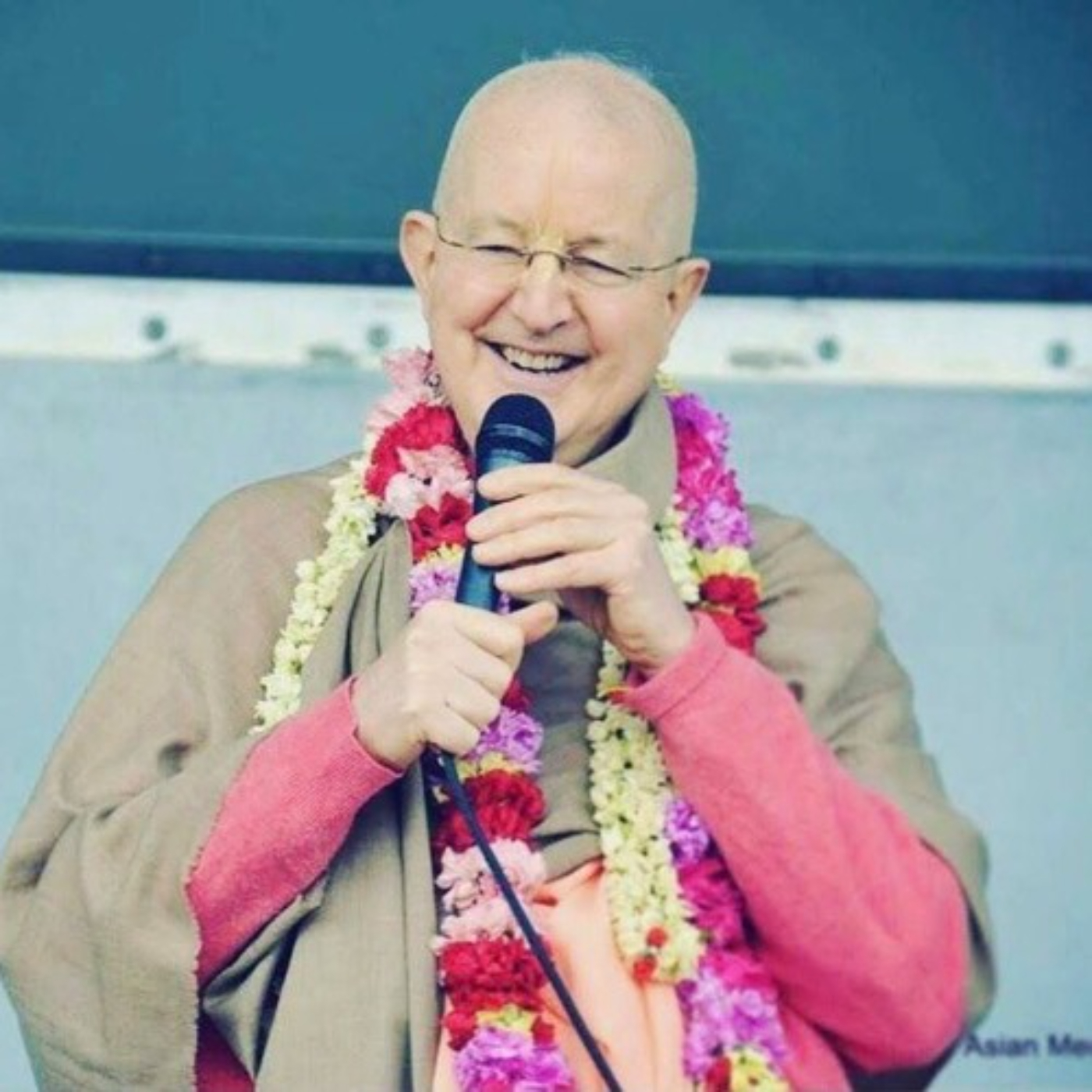
From Concert Halls to Prison Cells: Playing for the Forgotten with Eric Genuis
Eric Genuis is an acclaimed composer, virtuoso pianist, and founder of Concerts For Hope. He has performed countless charity concerts of his own original scores in prisons, rehab centers, nursing homes, inner city schools, and homeless shelters to inspire and affirm the dignity of each human being, regardless of their circumstances.


About The Episode
Join us on The Founder Spirit podcast with Eric Genuis, a composer, virtuoso pianist and compassionate storyteller, who has dedicated the past three decades to playing for society’s most broken: death row prisoners, traumatized youth, the elderly, the homeless, and veterans battling PTSD.
Uncover the extraordinary story behind his mission-driven career—how a shocking first prison performance ignited a lifelong calling. Discover how Eric’s compositions are rooted in stories of suffering, redemption, and the relentless fight to see the good in everyone, no matter their past.
Most people overlook the profound power of music to heal, uplift, and transform lives—even those on the brink of despair. Playing for the forgotten, his music becomes a vessel for redemption and human dignity. Eric’s approach to music transcends entertainment—delivering hope and beauty, cultivating compassion, and elevating our collective humanity.
How did Eric turn a world-class music career into a mission of healing and transformation for the marginalized? TUNE IN to this conversation & find out. Don't forget to subscribe and support us on Patreon!
Biography
Eric Genuis is an acclaimed composer, virtuoso pianist, and storyteller whose performances have touched hearts and moved audiences around the globe.
For three decades, Eric has performed countless charity concerts of his original scores in prisons, rehab centers, nursing homes, inner city schools, and homeless shelters to inspire and affirm the dignity of each human being, regardless of their circumstances. Founder of the nonprofit organization Concerts of Hope, he seeks to bring resilience and inspiration through the beauty of music to forgotten individuals on the fringe of society.
Episode Transcript
[00:02] Jennifer Wu: Hi everyone, thanks for listening to The Founder Spirit podcast. I'm your host, Jennifer Wu. In this podcast series, I interview exceptional individuals from all over the world with the Founder Spirit, ranging from social entrepreneurs, tech founders, to philanthropists, elite athletes and more. Together, we'll uncover not only how they managed to succeed in facing multiple challenges, but also who they are as people and their human story.
Our podcasts are shared freely with the public, and your generosity is highly appreciated as we decided to do away with corporate sponsorships a few years ago. Please consider supporting us on Patreon so we can continue creating meaningful episodes with inspiring guests - that is P-A-T-R-E-O-N.com/TheFounderSpirit.
As always, you can find us on Apple, Amazon and Spotify, as well as social media and our website at TheFounderSpirit.com.
“Music is a language, and it's almost a mystery that speaks to the heart, mind, and soul in ways words could never touch.”
“I play on death row. The gift of playing for men who know about their brokenness and who are aware, they have a detachment to things in this life, a healthy detachment, because they know that they're about to die.”
“It's a beautiful reminder that life is short and life comes with many graces and many gifts.”
“Immerse your life in beauty. Don't downplay what beauty does. Not just background, not just a little bit here and there. Bathe in it.”
Joining us today is the captivating Eric Genuis, an acclaimed composer, virtuoso pianist, and storyteller whose performances have touched hearts and moved audiences around the globe.
And the reason he is on the show today is because for three decades, Eric has performed countless charity concerts of his own original scores in prisons, rehab centers, nursing homes, inner city schools, and homeless shelters to inspire and affirm the dignity of each human being, regardless of their circumstances.
Founder of the nonprofit organization Concerts For Hope, he seeks to bring resilience and inspiration through the beauty of music to forgotten individuals on the fringe of society.
Just how did Eric turn a world-class music career into a mission of healing and transformation for the marginalized? Well, let’s talk to him & find out.
Hello Eric, welcome to the Founder's Spirit podcast. Thank you for joining us today.
[02:50] Eric Genuis: Hello, it’s an honor - thank you so much.
[02:52] Jennifer: Eric, growing up in Toronto, Canada, what were some of the formative experiences in your life?
[02:58] Eric: Being a young boy growing up in Toronto, it was absolutely my family.
So my parents came, they were born and raised in Malta, which played a very significant role during the Second World War. They lived through a lot of trauma as children and had many tough experiences.
They got married, they moved to Canada in the 50s, and they always had a high expectation of life. And so I have three brothers and we were always encouraged and pushed, whether it was sports or whatever we were doing.
So I was really inspired by my family and my parents specifically.
[03:31] Jennifer: Wonderful. And then also I'm just curious, when did your relationship with music begin and how did music shape your childhood?
[03:39] Eric: That's such a great question. So I was like every other kid when I was little and my parents would say, time to practice the piano. I'd grab my hockey stick and run out the back door.
But the reality is, I always knew when I started studying music from a young age, I knew that I wouldn't be able to articulate it, but there was something about music, There was something that was elevated about music, and I wouldn't really know what.
But there was this ability, really, when you look at music objectively, there's nothing to it. It's just a physics wavelength - that's really all every note is - there's nothing to it.
But I always knew that there was something powerful, something very sort of constructive or destructive with regards to music and culture. And I knew that from a very young age.
So I always approached music with a certain awe, with a certain reverence, and with a certain sense of discovery about what it is about this beast that sort of, I think, is just kind of a weapon or great tool. What is it about this? And so I always took music very seriously in my own discovery of what music meant to me.
[04:45] Jennifer: Eric, speaking about your awe with music, yet I read early on you had a career teaching math at an inner city school.
[04:54] Eric: Yes.
[04:55] Jennifer: So having initially ventured outside of music, how did you eventually find your way back?
[05:01] Eric: Well, you know, I was studying piano performance. Music again always meant a great deal to me, even if I performed for nobody. And after I finished my piano studies, I just composed.
Jennifer, I loved composing from the time I was a child. I always composed music. It was like a boy playing with Lego. It's just discovery and the awe and wonder of it all. I loved composing. And so I just spent all the time I could composing music.
I became a math teacher. I didn't love math, but I sure love teaching from the perspective that these kids, even 30 years ago, when I was a teacher, they were growing up in tough times.
And I taught specifically people that were missing some of the basics in life, like looking people in the eyes, shaking hands, saying good morning, how to present yourself in a way that's respectable.
A lot of them did not have guidance. A lot of them did not have mentorship. And so I would spend a lot of time getting off the math topic and getting more on basic life topic.
But I always composed in my free time. Music was always a big part of my life. It was never something I just did. Music was always so meaningful to me.
So basically what happened and how they merged was I was invited to play different benefit concerts here and there. And I only played my own music. And I see what music meant to me. I just thought, okay, I'm unique in this, maybe a strange way to look at that music is so powerful.
But then I started to see the impact it had on the audiences. So I would play a piece, and they would say, oh, what was that piece about? And I would talk about what inspired me to compose the piece.
And then I saw audiences be visibly moved, and I thought, that's exactly the musical experience I would only want to deliver people. It's not about impressing them or anything like that.
It's really meant to be a communication from the composer and the performer to the audience. Jennifer, I was faced with, well, I'm at a roadblock here - it's one or the other.
[07:02] Jennifer: So how did you then decide, I guess, coming back from your math teaching career, to really fully devote yourself to music composition?
[07:10] Eric: Well, there's always the danger of, does this become a living?
It's dangerous on a few levels. Number one, there's no demand for music. You know, there's a demand for shows. There's a demand for entertainment. There's a demand for all that. There's a demand for shock and all this.
What we see in the current pop or rock world, you see different people getting attention in ways that are perhaps unorthodox or unusual, and that thrusts their career forward. There's a demand for that stuff. I sort of lovingly and jokingly, endearingly call it the freak show. (chuckles)
But that was never anything that appealed to me, nor was I good at it. I just loved composing music. And I thought, if I could make a living doing this, that's wonderful.
But there's a danger to that, too, because when what you love, when you have to make money and provide a living for your family with something you love, it threatens your love for that thing, because it becomes now a source of worry and now a source of not providing enough.
And there was always that going on, and I never wanted that. I just wanted the pure love of music. So on the one hand, I felt compelled to go out and perform as much as people would want. And I never let money or anything get in the way.
To this day, Jennifer, I've never had a contract. I've never made people pay me a certain amount of money for a concert. If you want an Eric Genuis concert, we'll make it work, you'll get it. And I bring world class performers and soloists.
Then people say, oh, you know, you're not valuing it. And I think, no, I value it too much to put a dollar sign on it. Far too much. It's far too sacred, it's far too important and far too almost mystical to me in a way to put a dollar sign on something like that. So my goal is to share it with as many as possible.
So there became a fork in the road and I sort of noticed that people were really moved. So I thought, well, it's effective. And then I was invited to go to Europe.
I played at a benefit concert in Toronto for 15 people, which is really interesting, but I had to cross the city in a snowstorm to get there. And I thought, what am I doing going to play for 15 people?
But I went to play, Jennifer, and one of those people was the Minister of Health of Poland. And my next concert was for 15,000 in Poland. And then I was invited to other places in Europe.
And I just, I dove in, and I've been playing for those, as you mentioned in your beautiful and kind introduction, by the way, thank you for your kind words. I've been playing for those who are broken ever since and loved every note. I played Death Row Texas four times, about to be five in a few months.
Every note is so precious and beautiful memory and had beautiful meaning. And how do you put a price tag on meaning? I feel like I'm the richest man in the world.
[09:50] Jennifer: It's priceless.
[09:51] Eric: Yes.
[09:52] Jennifer: Before we start talking about your work, I want to talk a little bit about your music. And I've certainly been exposed to it for the last week, having to learn a little bit about you and your work.
I would like to give you the opportunity to tell the audience, how would you characterize your music?
[10:11] Eric: That's a difficult question.
If you were to talk about a genre, my music would be, you know, sort of classically influenced, but it's not classical music. It's very modern in its feel. So if you just specifically look at the music itself, these are very palatable for our modern listener.
I can go into performance school in the university and take that same music and go to a youth prison where they don't know a violin from, you know, a hockey stick, if you will. And yet it's relatable to them.
And so it's not classical music as such, but it's classical in form. But it absolutely has a modern feel to it.
[10:51] Jennifer: I personally feel that your compositions convey a belief that music speaks not only to the intellect and the emotions, but also to the human soul.
So as a composer, what goes through your mind as you begin to compose? Is it like Mozart, who hears this music already in his head before he writes it down into musical notes? Or how does the process work for you?
[11:17] Eric: That's a great question.
I'm going to work backwards. First of all, I compose a great deal, and the music has to move me. It doesn't matter how complex, how simple, all that matters. It's not there to serve or impress any theory class. That's not the purpose of my music. The purpose of the music is to move the listener.
And I'll only speak about my music, Jennifer, it's meant to be live. To see a live performer and share that from a composer and a performer is... That's exactly how the music was meant to be presented.
So I look at it and think, does it pass the test - does it move me? If it doesn't move me, I'm not going to bore you with (it). So when I look at music, it's always going to have an entertaining quality. The sad thing is, a lot about modern music is that's only what it does or that's only what we seek to do - I'm an entertainer,
And I think, no, music's always meant to be so much more than that. Music is a language, and it's almost a mystery that speaks to the heart, mind, and soul in ways words could never touch.
So on the outset, I have an awe and a wonder about music. Every time I sit down and compose music, I approach it with a certain respect and a certain dignity and an awareness.
And so what does my music mean to me ? It means so much, and it comes from the very depths of who I am. Whether I'm in a prison or in a concert hall, I'm sharing everything of who I am to the audience.
[12:45] Jennifer: Beautiful. And I would describe your music as elegant, sensitive, riveting, and may I add, super intense.
So tell us about one of your favorite compositions. And there are many. There's Rebellion, there's Redemption, there's Mercy, there's Fury, there's Here I Am.
And maybe pick one of your favorite compositions and tell us what made you compose that type of music and what it means to you in that particular moment.
[13:16] Eric: Great. So I'm going to choose Redemption and let me again go backwards, Jennifer.
All my pieces have a story - they all have meaning, like Mercy. There's always something behind it, something I'm reflecting on, like I wrote a piece Hero.
And Hero is about a 15-year old girl that I met in prison who had to endure so much suffering, had to undo so much pain to redeem and heal. And I thought, boy, she's a hero because to me she had to fight so much. So there's a story there.
With Redemption and with all my pieces, there's a story and the story always comes first. So I'll be thinking about a certain aspect of life, like redemption, and I'll tell you the story of redemption very quickly.
I was invited to go and perform a concert in a youth prison for one kid. This one kid got in trouble, okay? And so he was in what we would call solitary confinement, but they call now, you know, administrative segregation. But he was isolated is the bottom line.
And he did something dumb at 15 years old, but he was incarcerated since he was 11. Basically what happened to this boy, and I'll be very brief, was that he got sick. His mother drove him to the hospital and she never picked him up.
So there's abandonment, there's fear, there's everything that he knew of familiarity and security were gone. From 11 to 15, he did something dumb and now he's isolated, okay? That's when they asked me to go in.
And I thought, boy, it's going to cost me thousands of dollars to go and play for one kid. No businessman or businesswoman would ever say, that's great idea, go and spend all that money, all that time, all that effort for one person.
But you know, you think about the dignity of every person. You think, yes, absolutely, go for that one person. The dignity of us all could be that one moment that you just never know.
So we went and played that concert. But in those four years that boy was there before, never been hugged, never been loved, never been mentored, nobody's ever said happy birthday, nobody's ever said merry Christmas. Everything that you would identify as the higher human. Things this boy has never experienced.
And so I just look at this boy and think, well, when you look at what he did, you think, oh, well, was he worthy of redemption? Well, what about all the inmates? Are they worthy of redemption?
Well, we're all broken. We've all done tough things. We all are worthy of redemption. I wasn't asked to assess their situation or their worthiness because I personally feel nobody is worthy of making that judgment.
I think all we're asked to do is if we have abilities and talents and gifts, use them to uplift humanity - that I can do. I can take, Jennifer, the greatest soloist in the world. My concerts include a violinist, cellist, a singer, and I'm the pianist. And I can go into the darkest place, I can go into death row and I can uplift them.
I can make them cry. Not me, but the music, the presentation, the great soloists. I can do that. So if I can do that, why wouldn't I? I think about, is this boy worthy of redemption? You know, I sat beside the boy and talked to him for a bit.
He said something very striking, Jennifer. I said, son, what's the plan? He said, the plan is to come right back. This is a 15 year old boy that has already decided that he's only worthy of incarceration, that his only way to survive in society is incarceration.
He is self condemning. He has already decided that he is not worthy of any goodness, any mercy, any joy, any healing, any humor, any leisure, nothing. Anytime, anything good would come to his life, this boy would sabotage it. And I see that a lot.
They judge themselves far harsher than any judge would ever judge them, is a really tough position. And so I reflected a great deal on redemption. And we may be worthy, but that doesn't mean we receive it.
These people self condemn - a man that I met in a Texas prison that has self condemned his life away. And I would never look at another man and say, you wasted your life. But if I ever did, it would be this man. Because at 91 years old, this man, his whole life, all he's done is self condemn. That's all he's done.
I'm not worthy of goodness. And anytime joy or life would throw graces at him to uplift himself out of this hole, he wouldn't take it. He would sabotage it because he felt he was only worthy to suffer because of his crime or because of who he is. And then it became habitual, so he just did it. And I just think that is such a terrible place to live.
And so what is my hope? I was reflecting on this a great deal and I wrote this piece called Redemption. And I wrote it in such a way that there was two main themes.
And themes represent the struggle of redemption because we have to overcome certain things in ourselves and to feel that we are worthy of that redemption and that self mastery is never easy for anybody.
I don't know what it is about the human condition, Jennifer, but it's like the pretty girl that looks in the mirror and all she does is pick herself apart. And you're thinking, no, honey, that's not reality. But we insist on picking ourself apart.
So to overcome that and to fight our mind, which keeps putting ourselves down, the self condemnation, these lies of, you're not worthy, you're not good, you're not entitled to anything that everybody else is because of what you've done, because of your past, because of your history, all this.
And I think we have to fight our minds. Part of redemption is a fight, is a battle, and we can't just sort of give in to these thoughts. So when I'm in the prisons, I'm very hard on them on this, Jennifer, very hard, because if you want to meet masters of self destruction, it's them.
They mentally, emotionally and psychologically beat themselves up so bad that when people come up and they say, Eric, thank you so much for coming in and playing, even for us, I'm right back at them and I say, what is it about you that feels unworthy of me coming in and playing for you? Of course I'm going to play for you. And for you to feel unworthy is wrong.
So, Jennifer, the struggle of redemption, the fight of redemption, that daily battle of you are worthy simply because you are and simply because you exist.
And those thoughts that come to your mind that tear you down, those are the battles that you have to fight up here. Sometimes, Jennifer, this battlefield is a tough battlefield. This playground is not a very nice playground. And so that's the whole struggle. That's the struggle of redemption.
And then there's the glory of redemption. So the glory has a theme, the struggle has a theme - two themes. So I wrote Redemption in a way that spoke of the tenderness of really diving in to that battle, because you have to fight it.
The reality is that every person has a dignity that is unspeakable and sublime and magnificent and mysterious, and it's true and it's real. I wish my friend in the prison in Texas, I wish he would reflect on that for life instead of constantly beating himself up.
But those are the two themes -the struggle of redemption and the glory of redemption. And so that's how I compose that piece. And the interplay of the two themes makes it fun to listen to.
But really, Jennifer, behind that, the magic is when those two themes are played together, because when they're played together, it represents that the glory of redemption is sometimes realized only through suffering, because suffering is sometimes that brutal, ruthless, relentless, merciless, but honest teacher.
So that's the thought that was going in behind the composing. And very often I'll be composing in the middle of the night where there's no phones, no emails, no distraction, nothing, no appointments I have to get to. I'll sit there and just play because it's fun and because I love to do that.
And I will be thinking about a theme for a while, and for some reason, it just come to me, and it's like, yes, that's the theme. And I don't know why four notes can tell a story that I'm trying to tell, but it somehow captures everything I'm trying to say.
And then I write, and then I write and I write, and then I hit a roadblock. And then I just put the piece away, and then three or four months later, I'll resurrect it and I'll continue where I left off.
And it usually takes about a year and a half to compose, to finish a piece. There's a lot of notes in my music. And I'm always working on things only because I love to work on them.
[21:30] Jennifer: Yeah. Also, when is a piece finished? As an artist, you know, because there's always little imperfections that you can find in your art piece. So for you, Eric, when is it finished?
[21:42] Eric: Well, that's a great question.
Here's what happens. First of all, I'll only hear it in my head. And then I write it down. And then I'll hear it only on the piano. And then I write what I think would sound great and think exactly what I want to say. And then I'll take it to my musicians and then rehearse it.
And then I'll think, no, this part over here is weaker than I want it to be. And it's usually the impact, it’s not the notes or it's not the theme, I somehow didn't capture it. Over here seemed to work really well, over here it didn't.
So I start again on that section, and then it just comes to a point, I'll give it to different violinists or different cellists. And they'll emphasize different things. And I think, oh, I really like the way they did this, or they really like the way they did that.
There comes a point, Jennifer, when I just think the piece is exactly what I wanted to say. It's simple enough, it's complex enough, it's long enough. It shows that the melody's off enough.
I tend to overwrite. So did I write too many notes? Is there too much distraction in the piece? Is my audience going to get lost in all the confusion that's going on? And so I'll thin it down and thin it down.
And then there comes to a point, and I think, yes, that's exactly what I mean it to say. And then I'll just play it for a few people. And then if it passes the test, then I'll play it for others, play it for an audience, and gauge that way. So it's got to move me, and it's got to move them.
The last thing I will tell you is that musically, I do have people that I consult. And some of these people I do not have contact with only because I want them to be honest. And when they are complimentary, they say the greatest things. And when they're harsh, they are harsh. And I listen to everything they say.
And there's five, and I will not perform a piece unless I get the okay from all five (people).
[23:21] Jennifer: Wow incredible, thank you for sharing that with the audience.
I want to go back a bit and talk about your work. As you mentioned, your musical career began when you were invited to perform at this AIDS benefit concert in front of an audience of 15,000 people in Poland. And that was three decades ago.
And yet, for the last 30 years, your Carnegie Halls have been prisons and nursing homes and inner city schools.
So I was wondering if you could take us back in time to the very first time where you played in a prison. I'd love to know what it was like and how did you recognize that this would be your path in life?
[24:02] Eric: I promised myself when I was young, about 300 years ago, that I would never say no to a concert. If someone wants a concert, I'm going to try my best not to let distance, money, anything get in the way. A man invited me to play in a prison. I thought, yes, I'll go.
And, you know, if you were to ask me, you know, what was it like, in a word, I would say it was shocking. It was dehumanizing. It was hopeless. It was ugly. It was all those negative things that you ever imagined it would be.
I walked in. You know, first of all, you're in a cell 8x8. You know, you have nothing on you but your license and my equipment. And it's not the friendliest place to enter into, but you're in a cage, and you have to wait. Somebody else is going to open the door to the cage to allow you into the prison.
And when you're in the prison, you realize you're somewhere else. And carrying my gear, and I'm looking around. I remember being really shocked at how broken and how ugly everything was.
The grass was over the sidewalks. The sidewalks were chipped up. All the lawn furniture was all broken and rusted. The buildings were all in disrepair.
And then you entered into the prison. And again, you know, the walls were hospital white, there was no color. I have never walked into a prison, Jennifer, and thought, boy, isn't this beautiful? How inspiring. Look at the architecture. Never. I think the architect that designs the ugliest building gets the job.
And the hospital white, the floors are sort of this dull gray color, there's this bright fluorescent lights that cast a dark shadow on things. It was a very dull feeling. There was nothing beautiful about it.
So I set up, and I'm ready to play. And they brought all the inmates in. And I just remember the way that they walk in. There was no sort of respect in their tone. There was no respect in the way that they carried themselves. It was sloppy. They walked in and they slouched in the chairs.
We started the play, and within five seconds, they were sitting up in the middle of that first piece, Jennifer. The whole front row stood up and ran towards the stage. Not in a threatening way, but in a beautiful fighting way.
And they just sort of turned to my violinist who was playing a solo. And I'll never forget this one big man closed his eyes and raised his arms and he said, “play, just play.” And I remember being struck by that.
Right after that piece, there was a man in the second row that stood up and he threw up his arms. Now, this man was in there for a double murder. He was going nowhere, got 60 years, and he yelled out, “I forgot what hope felt like.”
And I remember marking that. And instantly when he finished saying that was in the middle of a piece. All of a sudden, this shame shot right through me. And it shot through me because I could have gone through my life just fine and never given a second thought to any of these inmates. Never thought about them, never played for them.
Prisons were always just landmarks. You go to the prison and you turn left, but you never gave a second thought to the people who were in those prisons. And I thought, there are hundreds of thousands of men and women, anonymous in these places that we have decided are worthless and not worth attention and focus and inspiration and mercy and friendship and all those good things.
And so I felt just fine, never going, never giving them a second thought, except… And my life would have been just fine, except it wouldn't have been.
And right there, when that man stood up. And when he said that, I just thought, oh, I thought, I have been given a little gift in this life that I can go and take people who are broken and I can have them react in ways that are positive and human and where they feel worthy.
This one man gave me a big hug after. He wouldn't let go and he wouldn't let go and it was really beautiful. And he said, I fear if I let go, I'll forget what it feels like to be human again. And I said, well, then don't let go.
I've had that experience and similar and letters so much that I think this can't be ignored. And how do I take something so important like this and treat it as, yeah, well, if I'm coming into the area, I may stop in and play. No, no. So right there and then that was my Carnegie Hall. And that's when I thought that's where I have to focus on playing.
And it's not just for inmates. It's for, you know, for those with PTSD clinics. These men and women suffered tremendously - veteran centers for those who suffered a great deal in the military, for the elderly, for those who suffer from drug and alcohol addiction.
I mean, playing in drug and alcohol addicted centers is like playing in prison because a lot of them are court ordered and a lot of them can't beat this battle. This one man came up to me and said, I've been here 30 times. He said, I just can't defeat this and I have to go to prison because I just can't win out here.
And so I thought a lot of people in this world, Jennifer, that are easy to love, the celebrities, the athletes, the successful people, they're easy to love and they're easy to play for, if you will.
And then there's a whole lot of people in this world that are not easy to love. That's the audience I want to play for - it's the people that are easily forgotten, and there's many of them.
I have a beautiful daughter with Down Syndrome - easily forgotten. You know, she's never going to say anything or do anything that is going to inspire the world. She's never going to be the cool person. She's never going to achieve anything or do anything that people would admire, but she's deserving of love and friendship like everybody else.
Easily forgotten. There's a lot of people who are easily forgotten, Jennifer. And that's… right there, I made the decision. That's my audience.
[29:44] Jennifer: I love it. Just because these people are not easy to love doesn't mean that they don't deserve love.
[29:50] Eric: I agree 100%. It's just a human weakness that we categorize people this way. No, they deserve it, like you and I. When we go back and we look at these people and we say, oh, well, you know, look at the crime he's committed.
I'll never forget, I played death row recently in Arizona, and there was a man that was executed two weeks after my show. But I was able to give him a big hug, and he was very grateful and very gracious. I was able to communicate some things to him that were important to me at the time.
I love putting things online - here's why. Inmates, people have no connection or contact with them. So when I write things, it reminds people, oh, yeah, they're human. Oh, yeah, they have needs and hopes and dreams like everybody else. Maybe they need some companionship or some friendship or some mentorship, which is a great thing.
So I got a call from somebody that just was irate that I would go in and play for somebody who did such horrible things. Do you know what this man did? I said, of course I know what he did to this group of people. Yes, I do. I know exactly what he did.
How dare you? And then the litany of give him recognition, bring light to this, all that stuff. And at the end, after a while of this, I had to go set up for another show.
I said, ma'am, just indulge me for a minute. I said, I go and play inner city schools right now. As we speak, there's thousands of kids ready to take his place because they have no mentorship, no love, no guidance. And there's a lot in our culture, like drugs and things, that would allow them to go down that same road.
I said, ma'am, have you ever gone into an inner city school and tutored and mentored a child? And she admitted that she hadn't. I said, ma'am, I only play for them when they're going to be executed.
I said, if these kids don't get love and attention and mentorship, they're going to follow those same footsteps. So maybe instead of yelling at me. Maybe your time's better spent and my time's better spent going and mentoring some of these kids who regrettably have no mentorship, no love, no guidance at home. And it would prevent this in the future.
Are they deserving of love? Yes. Because when you look at the backgrounds of so many of these inmates, they are unrecognizably human. They had no mentorship, they had no love.
So they fell to things of society, what is easy to fall into - gangs, drugs, pornography. These things are so destructive from the inside out. And then when they act on these things, we call them an animal. And I think, wait, we've allowed these things.
We gave them no mentorship. We didn't do anything about it. Why would we expect different behavior? So a big part of how I would like to see my work is that you inspire through beauty.
It's more than a sermon. It's more than a motivational speech. It touches us in a way that nothing else does. If I can go and play, live and uplift somebody and remind them of their higher humanity and cut through all the abuse and abandonment and betrayal and trauma and tragedy.
And if you can cut through all that and elevate them and allow them to see their own humanity in a way like nothing else before, then you've brought about good in society. So are they deserving of that? Absolutely. And if they're not, I'm certainly not the judge of that. I was never asked to evaluate. I was only told to go and play.
You know, Jennifer, one of the hardest hitting, and I know I'm talking far too much, but the hardest hitting example I have, there was a man that stood up after a show and he wept. And usually when they weep, I'll crack a joke because it leaves them vulnerable. You're not supposed to cry. But I didn't this time, and I don't know why I didn't.
But he was in the front row and he had the microphone. He brought it up three times to speak and just sobbed. And he said, I've done a lot of damage - I'm responsible for the death of many people. He said, I will never hurt another person again. He said, for the first time in my life, I feel like I've actually had an encounter and I met my own humanity.
So you think that's not me, Jennifer. I bring great players and beauty somehow goes in and speaks to people in a way nothing else can. So I am convinced of that.
People ask, can music heal? You know, that's a whole other question. But anyway, that's how it all started. You know, it's always evolving. But that's sort of how I look at my work and how I look at life playing for those who are broken.
[34:04] Jennifer: I want to go back to one of the topics that you touched upon, which is this inner struggle. I believe that there's a higher self and then there's the lower self.
So the lower self is the one that kind of creates all this chatter and the noise in our head telling us we're not worthy, we're not good enough. And it's very easy, I think. And I also don't have the answer, I don't know why we're kind of built this way.
But I think it's very easy for human beings to fall and spiral down towards the lower self than it is to rise above to the higher self, which is actually the essence of who we are.
And through all the stories that you've told, with people and all the performance that you've done and all the music that you've composed, how does the music actually transcend or help people transcend to the higher self?
[35:02] Eric: Jennifer, I'm going to start off by commenting one thing that you said. I think you're getting to the most important aspect of humanity.
I think we all sink to our lower selves, and there's a comfort zone there. And I don't know what that comfort zone is. It's like we're more comfortable when we're beating ourselves up, or we're more comfortable in this realm of I'm unworthy.
And we're almost uncomfortable sticking our head out and saying, well, no, I don't have to prove myself, I don't have to earn anything, but we are worthy.
So as you pointed out earlier in the question, they're deserving of love. They're absolutely deserving of love.
So how do you get from the lower to the higher? And I think that's complex because I think the human person is very complex. Like we're mental or psychological or emotional, we're spiritual. We're all those things, you know.
We respond from experience. We have trauma, we have tragedy. We have all those things that go into how we look at our lives and how we look at ourselves. And it's hard empirically to say, oh well, if you do this, then it will bring 10% healing. But I just don't think the human person works that way. And I think it would be short-sighted to sort of reduce it to that.
But I would say that in observing the experience of different people, after hearing my great soloists play, somehow I see this branching off to the higher realm that you so beautifully and eloquently pointed out.
And I think, Jennifer, the best way is to share another story with you.
[36:40] Jennifer: Great, go ahead. I know you're a great storyteller, Eric. You have a great sense of humor as well. So you can bring it all in.
[36:46] Eric: Thank you. I was playing a concert and this young lady came. And now I have a son that tragically took his life. And my son's name is Gabriel. And I talk about him every show.
I don't talk about him to make it a freak show into my concerts. The purpose of talking about him is that I play in an environment where that is rampant, where they have experienced it, where they live it, where they talk about it, where they know it, and you know, the different stages of contemplating it, to be convinced of it, to sort of wanting to act on it.
A lot of inmates are somewhere on that spectrum, if you will. I had a young lady run up to me after the show and just got to the stage after the concert and fell. And she falls and she says, I have a son Gabriel, and my son Gabriel died as well.
Now this young lady, she said that I'm in here for child endangerment or something like that. I don't know the story and the story doesn't matter. All I know is she knows the story and she's eating that story.
And what she's doing is the worst part of that story, whatever it fully is, she's blaming herself for it. So even if it's true, you know, and she's guilty of 20%. She's drinking it all in. That's where she lives.
And she's 23 years old and she's sobbing. You can tell there's a certain just sadness there. I would like to say, Jennifer, that I'm emotionally strong and I keep emotional distance. I don't. I'll leave that concert and I'll weep for her, you know, which is a whole other discussion about my friends on death row.
So anyway, so she's weeping, and I think, how do we get this young lady elevated into the realm that you're talking about? How do we get her to see her higher humanity?
So it's very tough. But I'm grateful for the music and for the opportunity to perform for this person. And if I never do anything else with my life or with my music, having that encounter with that young lady meant the world.
So all I did was, you know, I sort of knelt down and I took her hand and I said, it's okay, cry. I said, you want to feel better? She said, yes. I said, okay, well, let's just talk a little bit. And then I just shared some thoughts with her that I thought might help, and I begged her to keep in contact, and we'll see.
But the thing is, that's where we live. We live in the lower. What does music mean?
[39:01] Jennifer: Most of us, yeah.
[39:02] Eric: And it's a record - we play it again and again. And the second we may feel like my friend in that prison, the second life may throw something, even just joy or relief. No, no, we're back, back down.
It's like there's this worm that lives in our soul that reminds us of how ugly we are and what we've done. And you don't deserve that praise because remember who you are. And all these things we use as tools to drive ourselves down again, that fight in the mind.
It's like, no, you know what? I may be guilty of all those things that is coming to my mind, but all those things. And I tell them, I said, the only thing you have in common is everything you've done wrong is in the past, so we talk about healing.
But I have seen it where music elevates people, even just for a little while to remind them. It's kind of like bringing your head out of a swimming pool. Okay, I'm breathing oxygen. Okay. Now I want you to live there. Okay, so how do we do that?
Regrettably, Jennifer, I don't have the means or the education, so to speak. I only have life experience. My experience is 100% with these, with my inmate friends. And the people who are the most challenged, the most forgotten, the most broken, the most neglected, the most ostracized, the most hated people in the world have taught me.
And so I was able to hopefully go in and uplift this young lady through the music and through the beauty of my great soloist was playing and then have discussion with her psychologically and emotionally.
And I get letters, you know, oh, Eric, this concert… The best letters I get, Jennifer, (are) from mothers. He played for my son today. My son committed his crime 10 years ago. Thank you for (giving) my son back, things like that.
There's nothing special about me. It's the beauty of music. So I look at the beauty of my great soloists playing, and I think it can elevate them to that spot to get them to live in that spot now. But, Jennifer, that is the whole purpose of my work.
When I write a piece of music, there has to be an element of hope. Because I look at society and I look at myself, and I think, if we don't have hope, if we don't have expectations of something better or something good or an invitation to look at the higher things in ourselves, what do we got? We have nothing.
And so I don't want to live my life as a dead man. I don't want anybody to live their lives in this realm of the low. I want it to be high. And so I do all I can to write music, to uplift and to inspire and to bring joy and to bring hope and to bring goodness to their lives. And if I can follow up with anything that'll encourage them to live there, that's great.
There was a man that called me once five years after a show. And he said, you don't know who I am, but you played at this prison, and I do remember that prison. I don't remember the show, but I remember the prison, because some things happened around that prison that made that prison very well known at the time.
So I played there, and he said, I was convinced I was ready to go with taking my own life. All my friends had done it. Now, again, it starts off with a thought, then it starts off with thinking about it and fantasizing about it. And then it goes to a point of strongly considering it. And then it goes to a point of conviction. And then it goes to a point of, I see no way out but this suicide. And he was there.
And so he called me and he said there was no question. I was done. And then my cellmate invited me to this concert. He said it was Christmas time. He says, I don't want to go hear some guy sing Jingle Bells. And the guy said, I don't think he's going to sing Jingle Bells.
So anyway, he came and heard the show, and he said, I got so much hope. He said, I lived and I'm living and I'm going to be fine. I just got out and I just wanted to thank you.
You know, Jennifer, that's not me. That's not me. It was just something in the music that the great soloist presented that allowed him to remind himself about the great profound dignity and mystical dignity that he has. I didn't do that. He did that. But if I can be put in an environment where I can invite someone to see that in themselves all day.
[42:56] Jennifer: Long, I think hope is showing someone what is possible, now whether or not he could stay on that plane of the higher self. And that's the. The work of each individual soul - that's what I believe.
We touched upon this earlier. So, as you mentioned, you performed many times for people on death row, and you're about to go on your fifth tour of Death Row Texas, Death Row Arizona.
And I know that you also keep regular contacts with some of them, and since your performance, some of them have been executed. And I was wondering how this might weigh heavily on yourself?
[43:38] Eric: You know, we use words like professionalism in this culture, and I chuckle at it. Oh, well, I'm a professional. Yeah. What does that mean? You know, does that mean that you don't have a heart for what you're doing? What does that mean?
Well, in my work, it would mean you keep a professional distance from the people that have gone through these things so that you can continue doing it. And I think, well, yes, I suppose there's a wisdom to that. I don't have that wisdom.
I look at it this way. If you're going to go down that road, you go down that road. So I'm in contact with some guys, and when there was one gentleman and, you know, and he said, Eric, I'm going to fight this with all I've got, I said, good.
So I was in contact with his lawyers, and I was writing letters and doing all kinds of things. And he was. And I was going to perform there two weeks later. And he got a stay of execution the day before his date. And, oh, he wrote me and said, brother, I'm going to be at your show, I'm so happy. I said, oh, I can't wait to see you.
And then the next day, which was the day of his execution, I thought, let me just make sure everything's good. So I texted him, because there's an internal texting that they have, and didn't hear from him. And I texted him again and didn't hear from him. They had overturned his stay and he was executed within an hour.
I went into my barn, because we live on a little farm, and I cried like a baby. There was no keeping a healthy distance at all. So you're going down the road. And I will tell you this, you know, well, look at the horrible things they've done. Yes, they've done horrible things.
Jennifer, in my work, I've heard so many stories about what men have done, and I will tell you, a big epidemic in this country are drugs. There's no war on drugs. There is no getting drugs off the streets. There is so much drugs, and it's affecting so many people.
So many people who are on death row are there in one way or another. They were either high or they were in the middle of an addiction or drugs was used as a tool of transaction or something. But drugs are often involved - they commit their crime.
Take away the drugs, you have good people. And so they write to me and they talk to me just much like I'm talking to you right now. And so their desire to live, their desire to achieve, their desire to bring goodness.
So they're up there, you know, in Texas death row, and they're reading Plato and they're having book studies and they're reading Aristotle and they're having book studies, and they're doing those things, and they call it Life Row. They're doing things to inspire, and I love that.
And also, again, coming back to the point of looking at their background, some of these men were trafficked when they were children in the most brutal way by people that were supposed to love and mentor and protect them. They were betrayed, completely betrayed from anybody that was to offer security.
There's one guy in particular, he was betrayed and then he was taken to foster and they did the same thing. And then at 10 years old by those who were his caregivers, turned him into an addict intentionally.
Because children who are addicted very often are able to acquire money through stealing, begging, etc, in very effective ways. And so he was used for that. And he committed his crime and now he's on death row.
Then we say, oh, look at the animal, look at what he's done. And I think, how can we say that when we look at his past? How can we say that? Well, this man had an instant change of mind when he was away from everything and became a good man.
And it was so beautiful, Jennifer. Because the first time I met him, he was scheduled to die the day before. And they did an immediate stay. He was brought back to death row. And he said to me, and he was weeping and weeping when I got to his cell.
And he put his hand up on the bars and I put my hand there and we just sort of held hands through a bar for a while. And he said, if I would have died, I wouldn't have heard this concert. And that was such a beautiful thing to say. And then a little while later, he was scheduled to die again.
Right before his death, he turned to the family and he said, all I've done in this life was take. I would do anything to bring your daughter back. He said, I am sorry, but I tried to live my life as a good man up here so I could be worthy to tell you how sorry I am.
And then he said, now you have to forgive me, not for my sake, but for yours. Don't carry this around anymore. You know, to his death he went charitably in caring very much for the family that he had hurt.
And so do these things affect me? These things affect me greatly. The question is how he got there. The question was, what happened when he was a child? The question is, do we have redemption once these things have done? What does it mean for rehabilitation versus punishment?
All these questions which are much bigger than I can answer, but they're questions that deal with the most important thing and that is humanity. So, yes, I play on death row. I played on my birthday and they all sang me Happy birthday.
The gift of playing for men who know about their brokenness and who are aware, they have a detachment to things in this life, a healthy detachment, because they know that they're about to die.
It's almost like they can appreciate every moment, regard every moment as sacred, because they know that someone else is going to determine their fate. It's not life, it's not nature, it's someone else.
And so they appreciate all the things in life to appreciate, like a conversation with each other, a good book. They write poetry, they paint. So there's a whole way of life that has deeply affected me.
But yes, and think about every man up there. They form significant, deep relationships. And it's not uncommon for them to say, I have lost 258 good friends while being on death row. That's traumatic.
[49:06] Jennifer: Eric, I just want to read one testimonial from an inmate in Texas, I think, Is this the 15 year old that you talked about?
He said, “I died the day I was sentenced at 15 years old. I feel as though I have been buried alive. My reason for living is no longer relevant. And after your show, I feel as though I can breathe again. I am alive again, and I have a purpose again.”
So it goes without saying that your music has been a guiding light for those who navigate in their darkest moments and often touching the lives of those the world overlooks.
In having interacted with these broken people, whether or not they're in prison or in homeless shelters or soldiers that suffer PTSD, what have they taught you about being human?
[49:58] Eric: Boy, that's beautiful, Jennifer. You're asking me questions that require hour long answers. (chuckles)
[50:05] Jennifer: We can have hour-long conversations. (chuckles)
[50:09] Eric: Awesome.
What's interesting, I play in a lot of prisons and I play for a lot of people who are broken, but it's really not about them. It's about humanity.
So the things I talk about with regards to those who are in prison, there's a lot of people in prison who are much freer than people in the free world. Okay, that's one.
And two, a lot of us in the free world get so bogged down by the mundane that we live our lives in the realm of the mundane. And we often forget about higher things, greater things, appreciation for the simple things.
I don't want that. I don't want to look at everything in my life as a goal to conquer. And once it's conquered, you check the box. I want to love every moment.
When I think about my friends who are incarcerated, to feel alive again. You can look at someone like that and say, you have nothing. What do you feel alive for? You're not going to get a job. You're going to be incarcerated. You're going to stay incarcerated.
Yes, but he's not talking about being alive in that way. You can be free but still be in prison. How do you be free? Well, can you appreciate the beauty, the knowledge of a good book, something that teaches you and enlightens you and inspires you?
Can you appreciate a beautiful concert? Can you appreciate a beautiful piece of music that allows you to psychologically grow? Yes. You don't need to be in the free world to do that.
Yet I find my friends who are incarcerated are able to have very deep conversations because there's been a great deal of reflection. And there's often comments by some of the greatest philosophers who have said, a life without reflection is really a life being passed up, a life not being lived to the fullest.
So we think, what does life living to the full means? Well, they have no stuff, they have no goals, and yet some of them are living very fulfilled lives.
There was a gentleman performing and committed his crime. And I said, what does the immediate future look like? He said, I'm up for parole soon. He said, but it really doesn't matter whether I get out now.
To many people, that would seem shocking, but it really doesn't. He said, I'm alive. I have such awareness of so many deep things in my own life. I'm alive. When I go out in the free world, I'll still be alive, but I cannot imagine being moral. I'll get a job. I won't be more alive than I am in here.
And it's a beautiful reminder that life is short and life comes with many graces and many gifts. Take advantage of every relationship, every gift, every ability that you have, every opportunity, even every conflict to grow and to be more whole in your own life.
They've taught me that because a good part of my audience have lost everything. Their family has disowned them when they get sentenced. So they have no relationship, no visitors, no Merry Christmas. They have no happy birthday, no Happy New Year. They have no gifts, they have nothing to look forward to, yet they're very alive.
Great lesson for us all.
[53:03] Jennifer: Just in this conversation, I had to look up a special quote because one of my favorite novels is by Viktor Frankl, Men's Search For Meaning, his autobiography about how he survived through the years in the concentration camps during World War II.
Where he says, “everything can be taken from a man but one thing, the last of the human freedoms, to choose one's attitude in any given set of circumstances and to choose one's own way.”
And I think this is very important because, you know, I had a hypnotist on the show last year, last season, where he talks about sometimes the biggest prison is actually our own mind.
[53:46] Eric: Oh, that's very powerful. And I would agree with him. So then you take Viktor Frankl and you think, is that possible? Can we actually live that way? Yes. Yes, we can. Please I don't ever want to give you or viewers the impression that I've mastered these things I'm talking about.
Like for example, that girl, just to go back to her for one second. I said to her, I said, you want to live? You want to feel better? She said, yes. I said, great, let's talk about that. And we did. And I gave her a very simple thing to consider, and that is this.
I have a few heroes in my life, Jennifer, and one of them is Mother Teresa. Here's why Mother Teresa took those people who were unlovable, the people that were lying on the street half dead, being consumed by disease. The odors were unbearable. Their presentation was not pleasing whatsoever. It's easy to walk around that person and just sort of ignore them.
And yet she was able to see something higher in them. She said, you know, when asked about this, she said, if I took my eyes off their higher dignity, I wouldn't be able to do this work. She was able to see something so beautifully human and mystical in every person, regardless of their deformities and their unpleasantness.
So I told this girl, go find that person who is unpleasant and make her your best friend. You may hate every minute of it, but make sure every encounter with that person, they feel as though that they mean the world to you.
And she said, but that would be dishonest. No, our desire for charity outweighs what we feel. You may not feel good for that person, but love outlies, outweighs all that.
I said, and every time you do that, you think of your child and you look to heaven and you blow a kiss to your child, and then the next day, go and treat that woman even better, and even better.
And every day you involve your beautiful little Gabriel as an encounter with this person. And then when that person's released, go find someone else.
I think, Jennifer, the greatest way for human beings to live is to serve another. Charity is our highest form.
When I go and I play, I talk about their children. The women weep and the men become very sad because they have children. And I talk about that. I talk about their pure love for their children and what they can do and how they can live their life being the best father, even though incarcerated.
But it's forgetting you, and it's going out and allowing yourself to be vulnerable around people that you don't like, would rather not hang around with, to achieve something higher. I think that's the highest form of humanity, is charity. Mother Teresa showed that perfectly.
I don't say that because I have it perfectly - I don't - I'm a work in progress. There's many people who do it so much better than me. But she was able to really articulate it well and demonstrate it perfectly.
[56:43] Jennifer: One of my spiritual teachers said that the purpose of life is to service and to love. Something beautiful, really, really beautiful.
Eric, I want to talk a little bit more about you as a person, and I want people who are listening to understand just how hard you work. You drive around in a van full of all your musical equipment. You show up two hours before your musicians to set up. You sometimes sleep in the van while your musicians stay at a hotel.
You give over 200 concerts a year, and when you're on tour, it's usually between 2-3 concerts a day. And you're going to be 60 soon next year. So where does your energy come from?
[57:31] Eric: Yeah, well, that's good. I'm 60 and I feel 20. I've never felt better in my life, and that's the truth. And I don't know why, because my equipment's heavier and not getting any lighter.
How do I support this work is through donations. So I'll go and perform benefit concerts. Money doesn't go to me. It only goes towards putting on those concerts. And I want to be able to look anybody in the eye and say, your dollar goes very far.
So I could drive a big bus and hire people to come and move my equipment with a nice logo Concerts for Hope on the side, I could do that. But then your dollar's going towards that bus and that logo and paying people to move my equipment, and it's not going to concerts per se. And I've never felt good about that.
And so what I do is I keep things very humble. I drive, and if I'm alone, I will sleep in my van. And I've done it in every rest stop in the country.
And then I get out and I haul my equipment out and I get help from the prison staff. But I do a lot of the manual work. And why can I do that? I would do 10 times that, Jennifer, because I really believe in my work. I really believe in my work.
And I know I'm on a time frame. I'm 60. I'm not going to be able to do this only but for another 50 years or so, and then I may have to stop. And, you know, but while I can, absolutely, I just keep doing it.
Because I want to look at everybody and say, I am stretching your dollar so far so that when you give to my work, you know that every dollar is going towards those concerts. It's not going to comfort, it's not going to leisure, it's not going to any of that. And I've never felt better.
Yes, it's tiring and yes, it's exhausting. And yes, sometimes my body hurts. Ten times that, Jennifer, I would do because I really believe in the work. And when I look at these men and women who are so moved, if I can do anything to elevate their humanity, it's worth every effort.
[59:21] Jennifer: Beautiful. As mentioned, life has not dealt you and your family an easy hand yet. You've met it with so much remarkable depth and grace.
And having mentioned (that) you've had to navigate more than your own share of hardships, so I was wondering if you would be open to talk about some of those personal challenges in your life and how you dealt with them.
[59:46] Eric: Absolutely. I'll be very open about that.
So my son took his life, I guess, five and a half years ago or so. My son had this Asperger's. So he always had this agitation that we just couldn't conquer. My wife and I spent so much time, so much help, so much therapy, so much love and concern and new things.
And my son had this agitation, and so he took his life. It's heartbreaking. And not a moment goes by where I don't think of my son and where I don't mourn for my son and I don't miss my son.
But what I will tell you is this. What you have to do is you have a choice. So I could go and I could listen to those voices in my head, which come hard and fast, especially when it happened about you're his father. It was your fault. You were on the road. You know, if you were home, he wouldn't have done this.
And there's an element of truth in every one of those arrows and darts and bullets that fire at you. But then there's a whole big part of those arrows and bullets that are lies.
And so if I drink those lies, I'll go in the corner and I will paralyze from all that pain, hurt, loss, fatigue, and all that sort of confusion that converges when these things happen. But I'm not going to do that.
So here's what I do. I talk about my son. I love my son. I miss my son. But I can mourn and weep, and I can be happy at the same time. I can mourn and be effective. I can mourn and go and play concerts. I can mourn and write music. One is not mutually exclusive to the other.
And if I go in a corner and I crumble, that doesn't mean I loved my son anymore. It doesn't mean anything. But if I can use that experience to help somebody else feel as though, oh, I'm not alone in those temptations or those feelings or those struggles or to the level of despair that this poor boy experienced. No, you're not alone.
And what I am finding is that act is very rampant. So when I go and play in sophisticated venues, people come up to me and whisper in my ear, thank you for talking about that. My son, my daughter, my mother, my father, my uncle, my aunt, you know, did the same thing, and so touches all families.
And so I want to use that experience to say, okay, we've gone through this trauma. I wish I didn't have that trauma, but I did. Okay, so I'm going to use that now in a way to try to bring goodness and healing to other people.
And if that means I have to expose a certain vulnerability in my own life, I have to expose that vulnerability in my own life. But I am a firm believer that you can go through trauma and at the same time, use humor, use joy, use these things when things get really heavy.
I use humor as a tool to soften the blow for a little while. And so, yeah, my concerts are with humor.
[01:02:33] Jennifer: I know, maybe you can tell a joke on the show right now, Eric.
[01:02:40] Eric: I'll tell you one funny story. There's a guy who is An amazing guy, and he works up at this prison called Pelican Bay. And he's about 5 foot 2. You know, he's a very short guy. It's a supermax prison, which means, you know, it's not a country club.
So we're performing and we're performing, and I tell a story in prison, which is a true story, how I played in this one concert and everybody in my audience was 6 foot 10, like they were giants, you know.
One guy in the audience, when I started talking about the giants, and people asked me, eric, aren't you afraid of those giants? And I think, what? All five foot five of me? But, you know, it's the kind of thing where I said, listen, don't laugh at 6 foot 10. You want to see what intimidation looks like. And then I said, where's Sam? And I pointed to Sam, and Sam's all 5 foot 2.
And anyway, it brought a lot of joy to them. And I said, Sam, stand up. And he said, well, I am standing. I said, no, really, stand up. You know, that kind of thing. It was just, you know, a light moment and a short joke. And Sam took it very well.
But I think these are all tools that we have to uplift our own humanity. Take the tools, take the gifts. And this is where I really am mad at my friend who spent all his life condemning himself. Because life gives you graces.
They give you like, even just relief. Take the relief. He didn't. He sabotaged it. Humor. He didn't. A good movie to sort of distract, even for a little while, because these things are all good at sort of allowing us to regain perspective. He didn't. All he did was self condemn.
And I thought, (I) cannot. We can all do that. And then we fall into a spiral of habitually doing that, and then that becomes our comfort zone. And then that is deadly, Jennifer, that's an internal death.
With the passing of my son, I could do that. And I'm just not going to do it. I'm going to fight those temptations. I'm going to fight those things.
You know, sort of this idea of, you have no right to feel joy. Your son's in a grave. Why are you laughing? Why are you feeling happy? And so I think, well, no, I can mourn my son. I can be sad that he is in a grave. But by me beating myself up doesn't benefit him.
So I look at this and think, nobody benefits from me going into a corner and beating myself up for the rest of my life. It's not virtuous, it's not goodness. It's not inspiring. So I won't do it. I have to fight it.
I don't want to make it sound like, oh, Jennifer, this is easy. This is what I do. That's not the point I'm trying to make. The point I'm trying to make is that it is a battle, and that battle can be won. And I'm going to fight it with everything I got.
And a big part of that is to be charitable to other people. So going in and seeing the guy who's going to do it and going to help him, helping that girl who falls on the stage because she's so broken about her own son's death, that's a big way I'm fighting it, is trying my best to bring goodness to other people.
[01:05:33] Jennifer: Eric, on the show we talked a lot about your work and how it helps to heal others. And I was just wondering to what extent does the work you do actually help to heal your own wounds?
[01:05:46] Eric: Great. So I always think every human person is wounded. We've all gone through trauma. We've all sort of had grave disappointments. And if someone appears as though they've got it all together, they're lying.
So part of the work, I've met many people in different walks of life. So the star athlete, the star actor, the star, you know, celebrity and all that. We're all wounded.
But life does give you things. So for me to compose music brings me so much joy. How do I deal with my own trauma? I don't run from it. I'm notorious for sort of being hard on myself, but I have to temper that. So I do things like composing music is what brings me joy.
I live on a little farm. I love farming. Farming is so normal. To go out and to get your own eggs is really beautiful. To go to Walmart and get eggs is less beautiful. You know, it's a kind of… so normal.
So I love being on my little farm. So there are things in my own life. I love my family, I love my wife, I love my kids, I love my granddaughter. These are little kisses in life and they're also very good at perspective.
Very often when you see the guy who is all down and despair and rotting, he has completely lost perspective. He's fallen into that trap of this is all that matters. And that's never the way.
Jennifer, I try my best to implement things I've learned in life, to not fall into those things.
[01:07:16] Jennifer: Love it, thank you. So what is next for you, Eric? I understand there might be a documentary on the way.
[01:07:23] Eric: Yeah, there's always talk of that stuff.
Until it's done, I'm going to say there's nothing done that way. You know, there's always talk of them. So I'm excited about it. There are people that are working on it, people who, great people who really believe in my work. So I'm really grateful for that.
What's next, Jennifer? I will tell you, I have two goals in life professionally. One of them is to play for as many broken people as I can. I'm doing that - I can't do more than 200 concerts a year, you know, so that's one.
The second is to change the world through beauty. And what do I mean by that? We live in a society where we've reduced music to nothing more than entertainment. It's an aspect of music. It is not what music is. Music is meant, again, I'll just speak of mine, to go to the heart, mind and soul of the person and to elevate their own awareness of their humanity. Music is a tool that can do that.
Plato said, music is a moral law - give soul to the universe, wings to the mind, flight to the imagination, charm and gaiety to life and to everything. He didn't think music was no big deal.
He says, you want to govern a nation. You don't need laws. You need the music. Isn't that amazing? You don't need laws. What are you, some kind of madman? He was very clear. You don't need laws.
And so I look at this and I think, so you want to change the world. Can music change the world? Yes, how? By every individual seeing themselves up in a way that's uplifted and dignified.
Maybe our language would be elevated, maybe our viewpoints, the way we express ourselves, the level of respect would be elevated. Everything would be elevated. Only good comes out of a higher view of humanity.
Until you allow your humanity to be uplifted by what you see live and see these great musicians I bring, and I can only speak of my concert again. Obviously Bach and Beethoven and Rachmaninoff and even modern composers, you know, Ennio Morricone, John Williams, all these great ones, and you know, Fritz Kreisler, these brilliant people have written great music.
I can only speak for mine because I've invested so much of my life and my time and my energy and my thought and my tears in my music. And so I will say that I have all the confidence in the world that if we can get the right exposure, different people who can change the world, would be moved and hopefully see the vision and therefore change how we approach children.
For example, in schools, I think every child should understand who Bach is, should listen to Bach. I think I have a lot of sort of thoughts on all that - a Bach fugue. Everybody in the world should know what a Bach fugue is. And it's sort of, you know, the mechanisms of a Bach fugue.
We would be all better people for it, and society would therefore better, and we would look at ourselves better. I'm a big fan that in a perfect world, I would give every inmate, every child the opportunity and sort of make it mandatory, if you will, to learn to play a string instrument to create beauty.
Who cares how good you get? But you would be hearing the beauty and trying your best to imitate that beauty constantly. For that half an hour a day, you are seeing something higher in yourself and humanity because you are being consumed intellectually and mysteriously and spiritually by beauty.
And I think beauty changes the world. I really do. I've seen it so much in my vulnerable friends who are incarcerated and out in the outside world that..
Now this may never happen. And that's okay, Jennifer. These are just goals. I'm, you know, my goal, though. What can I do? I can go into the prisons and keep playing. I can play for death row. I can play for women's prisons.
So I'm going to keep doing what I can. And if the other presents itself, great. If it doesn't, great, no problem.
[01:11:01] Jennifer: Well, I firmly believe if you put your intentions out there, the universe will respond. Because actually, everything begins with a thought.
[01:11:10] Eric: Yes. So you know what? I have no expectation, but I have drive. I don't have a whole lot of intelligence, but I have drive.
[01:11:18] Jennifer: You have a lot because you are a math teacher. You actually studied math, physics and biology, as I understand, in addition to graduating with first honors from the Royal Conservatory of Music in Canada.
I want to ask you one last question, something that I picked up from your brochure - “Music is the language with the profound ability to stir the heart, inspire the mind, and awaken the soul.”
If there's one message that you want the audience to take away from our conversation today, what would it be, Eric?
[01:11:48] Eric: Number one, it would be, if you have abilities, go for it - work like there's no tomorrow. It doesn't matter if it provides you with a living, it doesn't matter if it provides you with money. Don't be that.
Especially children, they have the benefit of free time, which as you get older, you don't. If you have the ability to play music and learn, it's going to get tough and you're going to want to quit. Learn - that's a gift you will have for life.
If you have a vision to do charitable works, go do them. It only enhances you. So my thought is, don't be afraid of hard work.
The second point is failure, Jennifer, 95% of what I do fails. I'm not afraid of failure. I'm just afraid not to try. So I'll fail all day long. But what I don't want to be is that guy who puts his head on the pillow and thought, boy, do I ever wish when I was younger I did this or I tried this. Not afraid to fail.
So work hard, and you may have to change routes a million times, but you keep going for something you believe in and something that you're good at and something where your gift lies.
The third thing is, remember, no matter where we're at in life, no matter what we're doing, highest form of our life is charity. So to your family, don't be afraid to really give of yourself. Whether it's time, no matter what it is.
So we've sort of categorized people and we look at them as charity cases. Look at them as people worthy of profound dignity. And the question is, what can I do to help them realize that dignity? So be as charitable as you can.
And the last thing I would say is this - the concept of beauty. How many times I have had different gang members say, I'll never forget, I was in Connecticut in this one - he said, I've never heard anything like this, the greatest soloist in the world, all I've known is gangster rap. Why have I never heard anything like this?
And a 15 year old boy said the same thing. He stood up, he was about to be sentenced to over 30 years. He was tried and convicted as an adult. And he said, that violin's the most beautiful thing I've ever heard. Why have I never heard it before?
And so there is a place for beauty in us all. We are all better off being exposed to beauty. Parents, if you have young children, walk down the journey. For example, if you say, well, how do you introduce classical music to children? I think, look, take one Vivaldi string piece or a Bach string piece - there's a billion to choose from.
Choose one piece that they like and make them sit there and listen to it every day and talk about it. How did this make you feel? What do you think the composer was trying to do here?
Oh, listen to this note. Let's go find that note on the piano. Oh, I wonder what key this is in. Why did he write that piece in D minor? Oh look, he changed from D minor to G major over here. Why would he do that?
I wonder if he did that a lot. We should read a little more about this composer. There's all kinds of things, but just listen to that same piece over and over. And then after a month, find another piece.
Well, what about my high school kid? You know, and he wouldn't be interested in that. The best way I think in a high school kid is first of all, tell them, do a month with no music - zero. And if he goes into convulsions, there's a problem right there, you know, I can't live without this music.
And then after a month again, have him choose one piece. Say, look, as a family, we're going to go through an exercise that I just think is worthwhile. Have them listen to one piece.
Fritz Kreisler wrote great violin pieces, but Bach, Beethoven, I mean, they’re all incredible violin works. Listen to one solo so that you can pick out the solo instrument for one month and listen to nothing else. And then choose another piece for one month, listen to nothing else.
Then change the instrument up. Go to a cello, or go to, you know, something like that, or go to an orchestral piece and listen to nothing else. You will always know what high music is if you expose yourself to that.
Don't just have it on in the background. Sit down and listen to it. Make it a short piece that you enjoy. But that's the beginning of recognizing that, oh, look, a human person was able to compose that. That's profound.
So it elevates your awareness and respect for humanity. And also it touches something in you. And that violin, every time you hear it will stir something in you - and as only beauty can.
So the last thing, I will say, what do I want your listeners to take away? Immerse your life in beauty. Don't downplay what beauty does. Not just background, not just a little bit here and there. Bathe in it.
[01:16:17] Jennifer: Beautiful. Thank you.
Also want to let the audience know that you can find Eric Genuis online. His website is www.ericgenuis.com. That's G-E-N-U-I-S.com. And we'll also be sure to include links to his website and to his Spotify albums in the show notes.
We're now coming to the end of our interview, and as you know, we end every episode with a quote. And for this episode, we have quote from Lailah Gifty Akita, a Ghanaian ecologist, researcher, and author:
"Music is the heartbeat of the soul, the rhythm of hope, and the melody of the divine."
Thank you, Eric, for taking the time to join us on the podcast today. And with that quote, I wish you all the very best in sparking hope, uplifting emotions and renewing spirit with the beauty of your music.
[01:17:17] Eric: Thank you, Jennifer, what a joy it was to be with you. Thank you!
[01:17:21] Jennifer: Our podcasts are shared freely with the public, and your generosity is highly appreciated as we decided to do away with corporate sponsorships a few years ago. Please consider supporting us on Patreon so we can continue creating meaningful episodes with inspiring guests - that is P-A-T-R-E-O-N.com/TheFounderSpirit.
As always, you can find us on Apple, Amazon and Spotify, as well as social media and our website at TheFounderSpirit.com.
[01:17:54] END OF AUDIO
Show Notes
Personal Links:
- Website: https://www.ericgenuis.com/
- LinkedIn: https://www.linkedin.com/in/eric-genuis-73b83b19/
- Instagram: https://www.instagram.com/ericgenuis/
- Wikipedia: https://en.wikipedia.org/wiki/Eric_Genuis
- YouTube: https://www.youtube.com/@ericgenuis1096
Organization & Social Media Links:
- Concert for Hope: https://www.ericgenuis.com/concertsforhope
- Eric Genuis Music on Spotify https://open.spotify.com/artist/7n7jmH3QaHT5YGhOo8BL9v?si=XEhmB8lOSE-UZCS9QTKIug
Media:
- Locked In with Ian Bick - I Perform for Death Row Inmates: https://youtu.be/S-TkD2TrBWw?si=x9xjdoOXQLZnrQRH
- Eric Genuis - Rebellion (Prison Performances) - https://youtu.be/nANrfakuvoE?si=VdNxyFaKklTF2rjU